
Goodbyes

Hi,
I’m writing this from the airport in Lomé, though this post has been many days in the making. On Wednesday, I left my village, this morning, I rang the bell and became a Returned Peace Corps Volunteer (RPCV), and tomorrow I arrive back in the states. The past few weeks have been such a whirlwind of emotions. I’ve packed up my house and said so many goodbyes. It’s been sad and I already miss my life here so much.
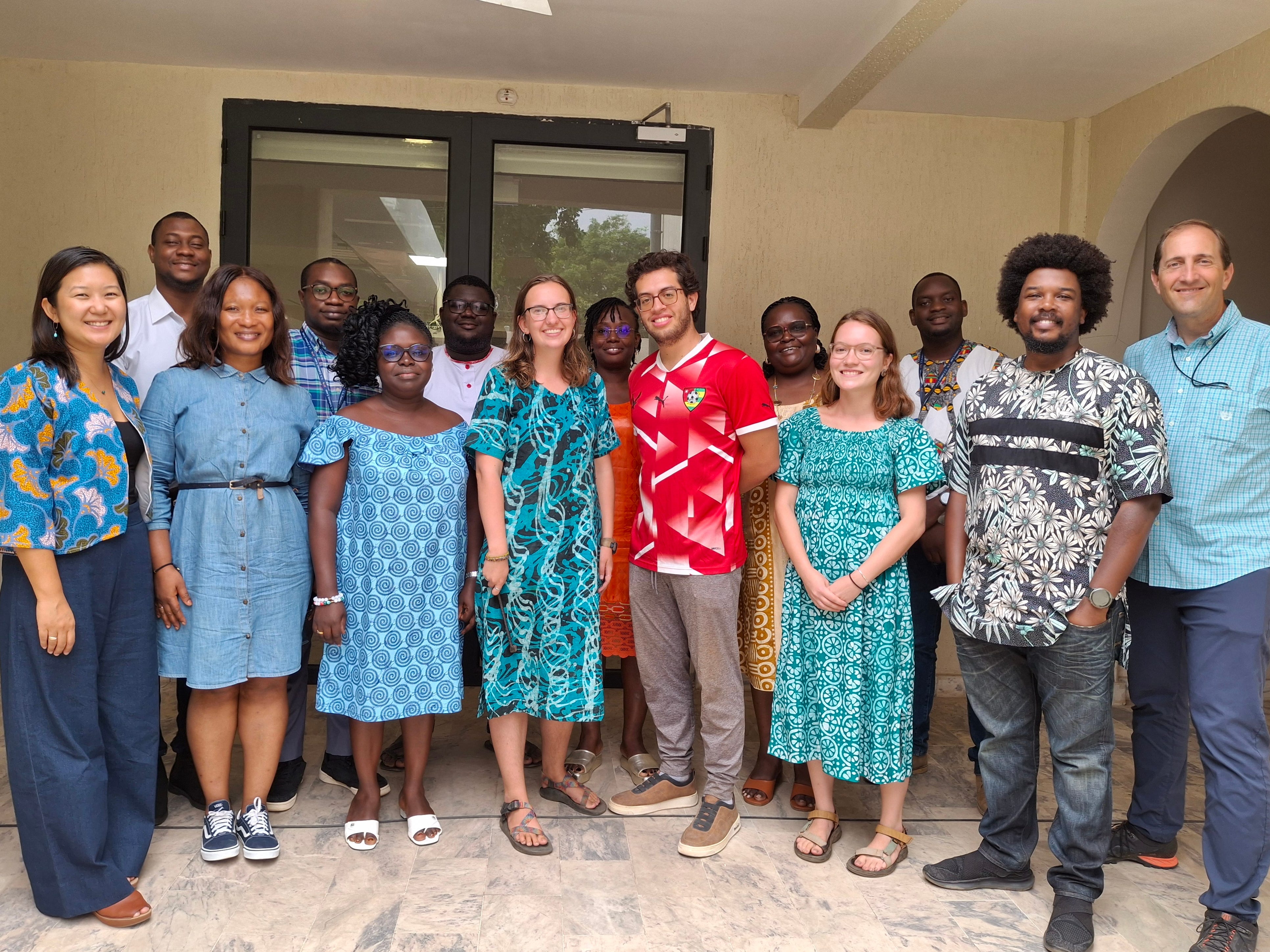
Before I left for Togo, the thought of spending two years here felt so immense and endless, but it has gone by quickly, despite the constant reminders of my impending departure in the last few months.
At the beginning of June, my cohort had our close of service (COS) conference, with administrative sessions on leaving village and transitioning back to life in the US. Some volunteers left right after the conference, so it was our one last time together as a whole cohort.


In the past few weeks, I’ve said more goodbyes to volunteers, stopping to visit them on my way back from Lomé and hosting them chez moi. I’m so grateful for my cohort — for all the funny memories we have made together, for the deep conversations we’ve had, for how we’ve grown and learned alongside and from one another, and for friendships that will be lifelong. How lucky I am to have shared these two years with them and to have them to lean on as I readjust to life in the US.


Saying goodbye to my village felt more complicated and heavy. I hope that someday I will make it back to Togo, but I know there are many people that I may not see again. Unlike some volunteers, I didn’t have a big goodbye party. In my last days in Aléhéridè, I visited people at their homes, spent lots of time with my counterparts at the maternity, and distributed my furniture and possessions to friends, neighbors, and the people who have supported me the most here.


It was strange to pack my life back into two suitcases again and see my house slowly empty out. I got rid of a lot of things and managed to bring a little bit of Togo back with me (and not just the orange dust). I’ve brought some of my favorite outfits, coffee from Kpalimé, and honey given to me by a community leader.
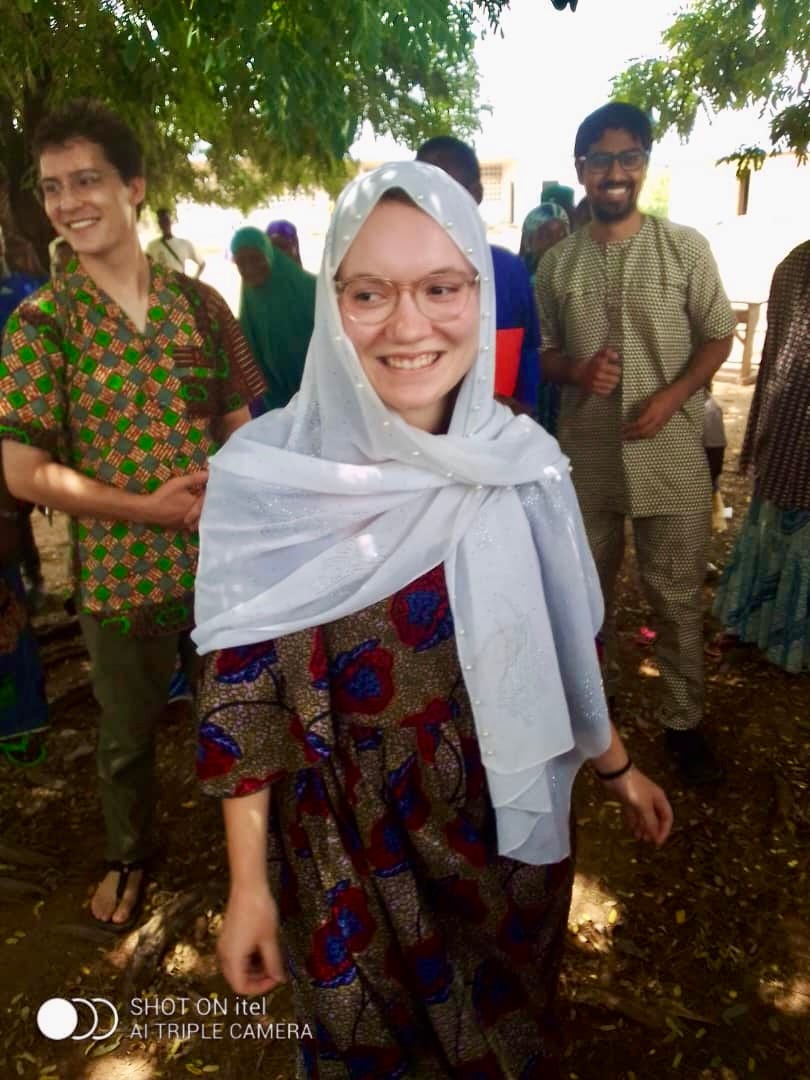
Before I left, our major (head nurse) and sage femme (midwife) took me to Bafilo to pick out some traditional pagne, Tem bisaau, often worn by Kotokoli chiefs during fêtes. Our birth attendant gave me a headscarf on my last morning in village, which was a sweet gesture since my first gift in Aléhéridè was one from the chief’s wife.


So many people sent me off with such kind words of appreciation and wishes for my safe return to the US. I miss Aléhéridè — my people, the mountain views, the heat, the sound of motos zooming past my house, the feeling of home when stepping out of a bush taxi at the carrefour.


I’m glad that unlike in my parents’ Peace Corps days, it’s easier to stay in touch with people. I hope I’ll be sending voice messages in my rusty kotokoli and shocking my counterparts with pictures of the snow for a while. Someday, I hope I will return to Togo and see my friends once again.
Peace Corps has not been what I expected, in both hard and wonderful ways. There were many days where I felt like a bad volunteer and wished I could bring more to my community. But there were many times where I was so grateful for my life here: walking around my village on cool afternoons after a big rain, holding my host family’s new baby, the vendors calling out « Ladi, nyende le ? » (Ladi, where are you going?) at the toll station, laughing with my counterparts even while completing the boring monthly reports, striking up long unexpected conversations while traveling. There have been countless moments that have brought me such joy and gratitude. It’s been a privilege to have felt so deeply and to have connected with so many people here.
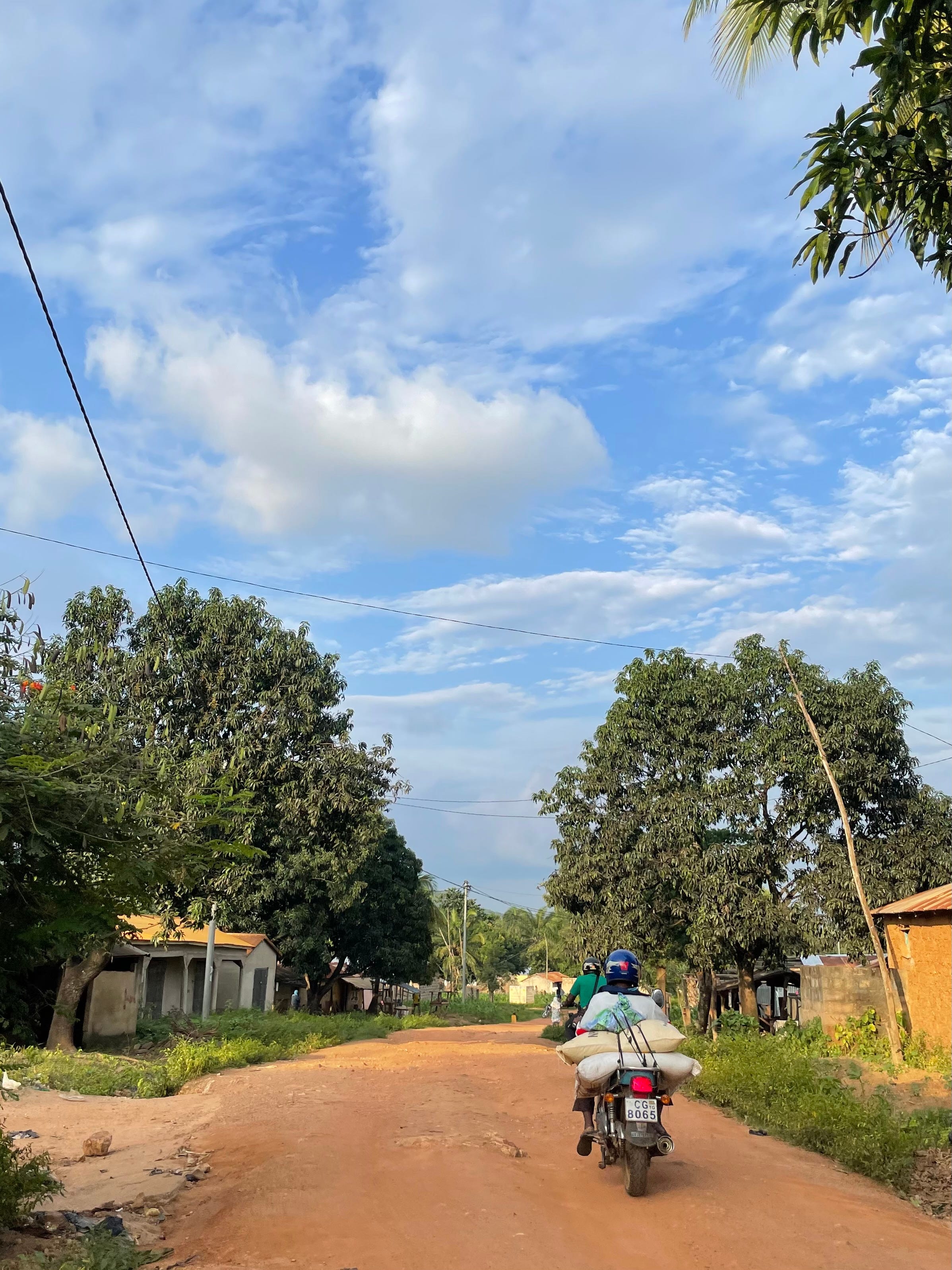
Other than these little moments, I’ve been thinking about what aspects of Togo I appreciated so much and will miss the most:
Saying hello to anybody and everybody I run into in the village. Salutations in Kotokoli are important and can often be a lengthy back and forth, but they always made me feel connected to my community.
Interacting with people of all ages everyday. What a gift it has been to watch kids grow up, to hold so many sweet babies on vaccination days, to be greeted by the same grandpas and grandmas on my daily walks, and to lead clubs with teenagers. In the US, each generation is often in its separate world, but I’ve learnt so much from the older (and younger) people in my life here.
Being connected to nature. Almost everything I eat has been seasonal, a rainstorm can cancel any plan, and my house is now surrounded by cornfields and chickens that squawk all day long.
Working among hardworking, strong women. I have loved spending my mornings surrounded by my counterparts, pregnant women, and mothers. They are truly the backbone of families and life here, and their friendships have meant so much to me.
Togolese food and the culture of sharing. I have grown to love fufu and pâte and even the slimy okra sauce. Togolese food is delicious, but what I will miss most is sharing it with others: fufu on Saturdays in Bafilo with volunteers, sitting on my sage’s floor eating homemade kom with one bowl of sauce between us, last-minute dinner invites from my host family, sharing a handful of peanuts with someone in passing.
Generosity and how everyone is willing to help. I would not have made it through the last two years if not for the generosity of those in my village and random strangers I’ve met while traveling. Togolese never hesitate to help — whether it’s flagging down a taxi, leading me to the shea butter in the market, or calling the carpenter when I was locked out of my house in the rain.
Pagne (the colorful fabric here), getting custom-made outfits from the tailor, and seeing people in their best outfits. I have loved being inspired by the beautiful clothes people wear for prenatal visits and vaccination days, to Friday prayer and religious holidays, and on market days. Togolese know how to dress up and be creative with their outfits in ways I could never pull off.
The flexibility of time. “J’arrive” (I’m coming) can mean in 5 minutes or several hours here, something that has often frustrated American type-A me. But viewing time less rigidly has made me a less stressed person. Things usually turn out ok and will happen in due time, « ça va aller. »Time spent waiting has often let me reflect more and foster unexpected connections with people, which I am sure to miss.
I have so much gratitude for this chapter of my life and for the people of Aléhéridè who welcomed me with such generosity and kindness. From my counterparts to my neighbors to my friends to my tailors to the school directors to the vendors at the market, countless people have shaped my time here in ways they will never understand.
Thank you also for reading, following along here, and supporting me from afar. In a few weeks, I’ll be starting my Master of Social Work in Boston. I’m happy that I’ll be close to family and pursuing a career that centers people and community, aspects that have been so meaningful to my life here.
Though I leave Togo with a heavy heart, I will carry this experience with me forever. Often when I told people here where else I’ve lived, they’ve told me “au coeur tu es Africaine” (at heart you are African) and how very true it is that my heart will always be tied to this part of the world.
Lea/Ladi
I’ve loved getting to read along over the past two years (wow time has flown by). Sending you hugs for the transition period and maybe (hopefully) I’ll see you sometime soon!
What a privilege to have read all your newsletters and to be able to imagine your life in Togo for the past 2+ years. Thank you!
Your writing is so beautiful! You are so full of wisdom as you reflect on all you have lived and experienced.
I am so incredibly proud of you! And love you so,
Mama Lea ♥️